
Essential Property Development Tips for Your Land in Western North Carolina
So, you’ve got a piece of land in Western North Carolina, and you’re itching to turn it into something amazing. Maybe a cozy cabin, a modern home, or just a safer, more usable space. Whatever your vision, property development planning is the secret sauce to making it happen smoothly. Trust me, diving in without a plan is like trying to hike the Blue Ridge Mountains without a map - you might get somewhere, but it won’t be pretty.
Let’s walk through some essential property development tips that’ll help you transform your land with confidence and a little bit of fun along the way.
Smart Property Development Tips to Get You Started
Alright, first things first. Before you break ground or even dream about blueprints, you need a solid foundation of knowledge. Here are some practical tips to keep in mind:
Know Your Land Inside and Out
Get a detailed survey done. This isn’t just about boundaries; it’s about understanding the lay of the land, soil quality, drainage, and any natural hazards. In Western North Carolina, that might mean checking for steep slopes or wildfire risks. Knowing this upfront saves headaches later.
Check Local Zoning and Regulations
Every county and town has its own rules. Some areas might restrict building heights, require certain setbacks, or have environmental protections. Swing by your local planning office or check online. It’s better to know what’s allowed before you fall in love with a design that’s a no-go.
Plan for Access and Utilities
How will you get to your property? Is there a road, or will you need to build one? What about water, electricity, and septic systems? These can be costly and time-consuming if you don’t plan ahead.
Think About Wildfire Safety
Western North Carolina’s beautiful forests come with wildfire risks. Clearing brush, creating defensible space, and using fire-resistant materials can protect your investment and your peace of mind.
Budget Wisely and Expect the Unexpected
Property development is full of surprises. Always add a buffer to your budget for unexpected costs. It’s like packing an extra snack for a hike - you’ll be glad you did.

How much does it cost to develop a property?
Money talk. It’s the part nobody loves but everyone needs to face. So, how much does it cost to develop a property in Western North Carolina? Well, it depends on a bunch of factors, but here’s a rough breakdown:
Land Clearing and Preparation
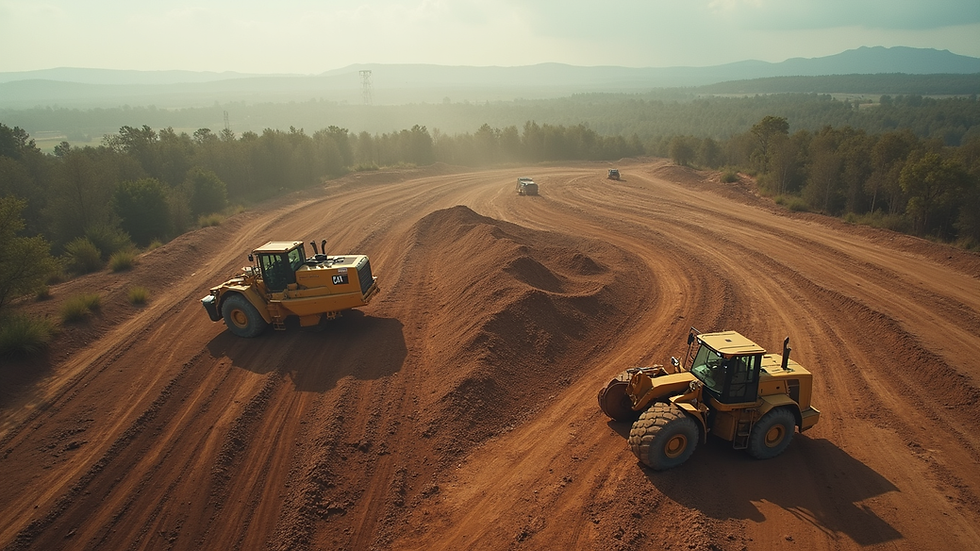
This can vary widely depending on how dense the vegetation is and the terrain. Mountain Folk Land Clearing specializes in this, making your land safer and ready for building.
Permits and Fees
Expect to pay a few hundred to a few thousand dollars for permits, depending on your project size and location.
Utilities Installation
Running water, electricity, and septic can add $10,000 to $50,000 or more, especially if your property is remote.
Road and Driveway Construction
Building access roads also varies widely in cost depending on length and terrain.
Building Costs
This is the big one and varies wildly based on your plans. For a modest home, you might spend $150 to $250 per square foot.
Remember, these are ballpark figures. The key is to get detailed quotes and keep a contingency fund of at least 10-20% for surprises.
Navigating Permits and Legal Requirements
You might be tempted to skip this part or think it’s just red tape. But trust me, getting your permits and legal ducks in a row is crucial. Here’s why:
Avoid Fines and Delays
Building without permits can lead to costly fines or even having to tear down what you built. Not fun.
Ensure Safety and Compliance
Permits ensure your project meets safety standards, which protects you and future occupants.
Protect Property Value
Proper permits and inspections keep your property’s value intact and make resale easier.
Here’s a quick checklist to keep you on track:
Contact your county or city planning department early.
Ask about zoning, building, septic, and environmental permits.
Submit detailed plans and be ready for inspections.
Keep copies of all paperwork handy.
If this sounds overwhelming, don’t worry. There are professionals who can help guide you through the process.
Choosing the Right Professionals for Your Project
You don’t have to go it alone. Building your dream property is a team effort. Here’s who you might want on your side:
Land Surveyor
To map out your property accurately.
Civil Engineer
For grading, drainage, and road design.
Architect or Designer
To bring your vision to life while meeting codes.
Contractor
To manage construction and keep things on schedule.
Land Clearing Experts
Like Mountain Folk Land Clearing, who know the local terrain and can prepare your land safely and efficiently.
When choosing professionals, ask for references, check reviews, and make sure they understand the unique challenges of Western North Carolina’s landscape.
Tips for Making Your Land Safer and More Usable
Safety and usability go hand in hand. Here are some tips to make your property a joy to use and a fortress against natural risks:
Create Defensible Space
Clear brush and dead trees around your building site to reduce wildfire risk.
Improve Drainage
Use swales, ditches, or retaining walls to manage water flow and prevent erosion.
Build Access Roads Wisely
Make sure roads are wide enough for emergency vehicles and have proper drainage.
Preserve Natural Features
Keep mature trees and natural buffers where possible to maintain beauty and habitat.
Plan for Future Growth
Think about how you might want to expand or add structures later and leave space for that.
Wrapping It Up - Your Next Steps
So, you’ve got the basics down. You know the importance of understanding your land, budgeting smartly, navigating permits, and assembling the right team. Now it’s time to take action.
Start by getting a professional survey and a land clearing estimate. Reach out to your local planning office to understand the rules. And remember, every step you take is a step closer to turning your Western North Carolina property into a safe, beautiful, and functional space.
If you want to dive deeper into property development planning, there are plenty of resources and experts ready to help you along the way.
Happy developing! Your land’s potential is waiting to be unlocked.


